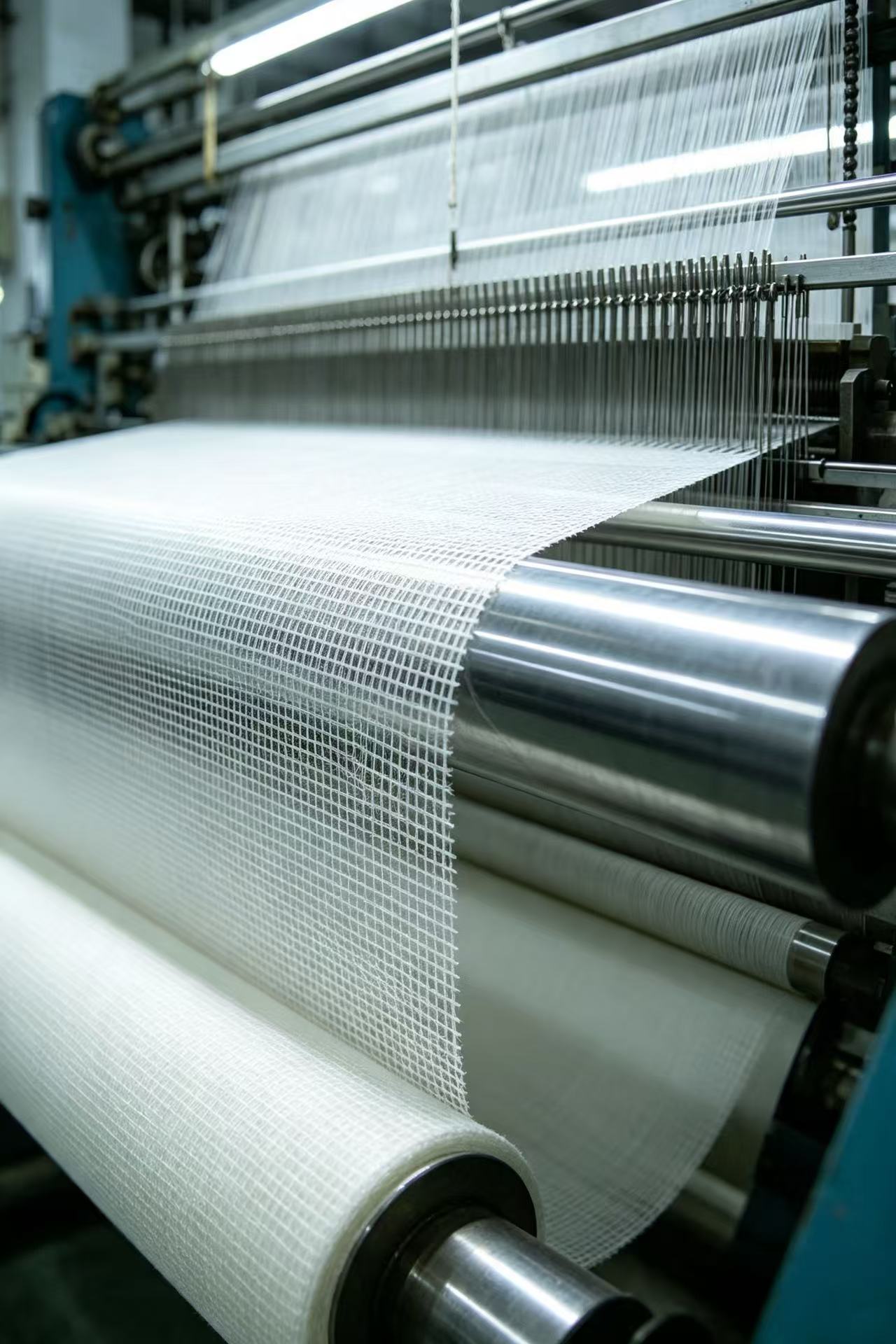
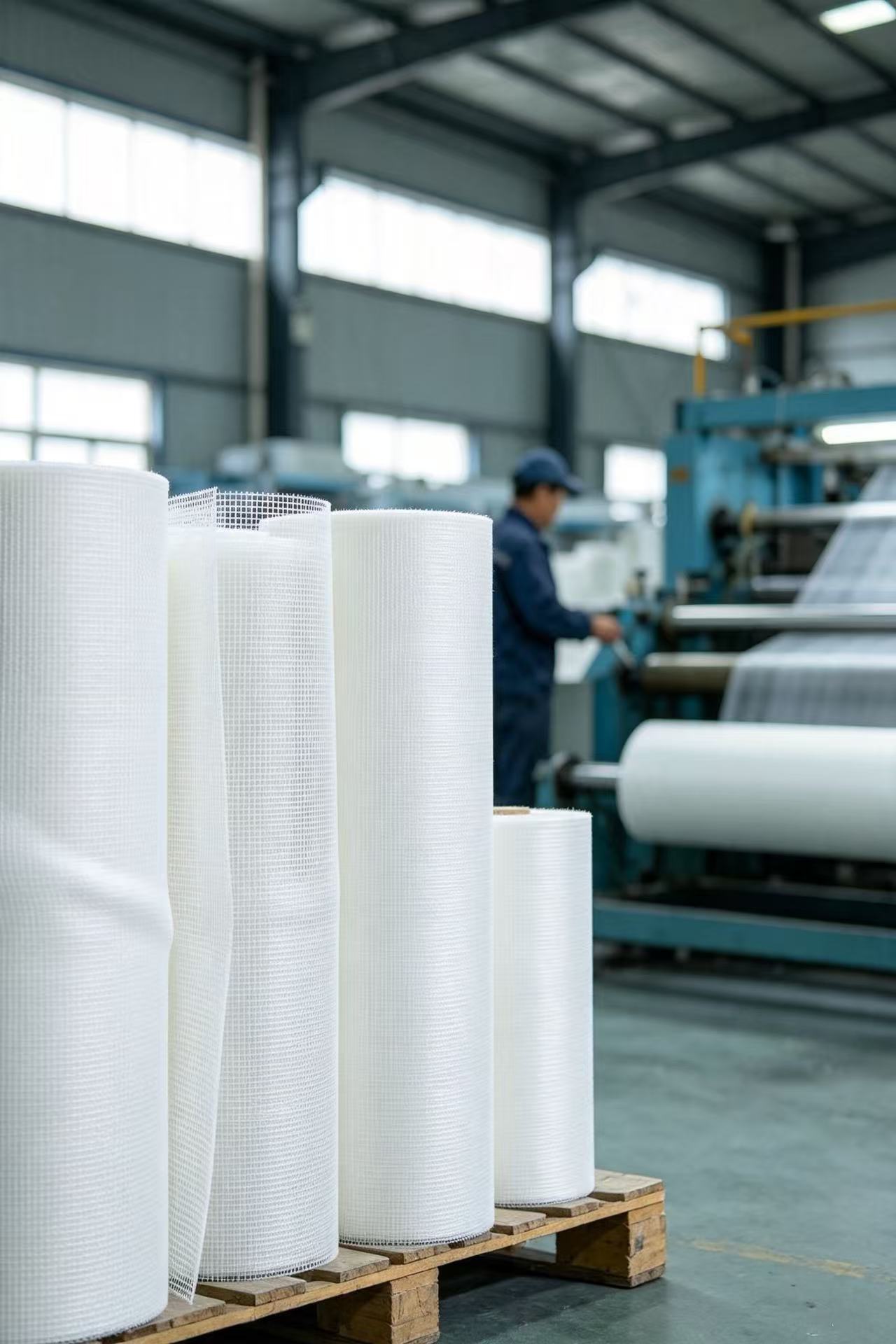
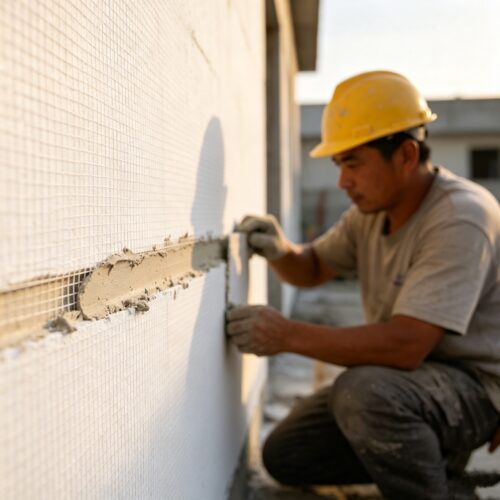
Fiberglass Mesh: Core Anti‑Crack Material for External Wall Insulation — Advantages, Construction Notes & TroubleshootingFiberglass mesh is a small but vital component in exterior insulation finishing system(EIFS). Many wall cracks, hollowing and peeling problems 1‑3 years after project completion are caused by improper mesh selection or wrong installation. This article covers its advantages, key construction tips and practical solutions for common failures.Core AdvantagesHigh tensile strength to disperse thermal‑shrinkage stress and prevent plaster cracking.Excellent alkali‑resistance, resisting erosion from cement mortar for long‑term service life.Rust‑free, no rust stains on decorative surface compared with metal wire mesh.Light‑weight, easy cutting and installation, stable dimension under temperature change.Cost‑effective, greatly reduce later repair cost.Important Notes for Purchase & Construction ‑ Do not mix interior‑grade mesh for exterior projects. External walls must adopt alkali‑resistant fiberglass mesh with qualified test report. Check weight per square meter and alkali‑residual strength before bulk purchase. ‑ Wet installation is required. Embed mesh between two coats of base coat mortar, never dry‑stick on wall surface. ‑ Overlap width ≥50mm, extra reinforcement mesh shall be applied on internal and external corners. ‑ Do not over‑stretch mesh during laying. Avoid construction on wet or rainy days. ‑ Mesh shall be fully covered by mortar, not exposed.Common Problems & SolutionsMesh visible on surface: insufficient mortar thickness. Re‑plaster to fully bury mesh inside mortar layer.Hollowing / blistering: poor base‑surface cleaning or dry‑stick process. Cut out hollow area, clean substrate and re‑embed mesh with double‑layer mortar.Fine cracks after completion: low‑quality poor alkali‑resistant mesh or insufficient overlap. Replace qualified mesh and follow standard corner‑reinforcement procedure.Wrinkling & edge lifting: uneven substrate or over‑pulling during installation. Flatten mesh naturally, press corners firmly, cut and re‑patch wrinkled sections.Fiber shedding & coating peeling: inferior product with low coating weight. Reject defective goods and switch to qualified mesh.
PVC Angle Beads: Advantages, Installation & SolutionsSEO Title: PVC Angle Beads | Benefits, Installation & Troubleshooting GuideWall corners are prone to tilting, unevenness and damage with traditional manual finishing. PVC angle beads are standard construction accessories for neat, durable interior and exterior wall corners in plastering and insulation projects.1. Core Advantages1. Accurate Corner ShapingPre-made 90° angles deliver straight, uniform corners, improving construction quality and pass rate without manual repeated correction.2. Strong Anti-Collision PerformanceTough PVC shields wall edges from impact, chipping and cracks, ideal for high-traffic areas such as corridors, shops and kindergartens.3. Long-Lasting Corrosion ResistanceWaterproof, alkali and mildew resistant. Unlike metal or wood, it never rusts or deforms, fitting outdoor and humid indoor scenarios.4. Labor & Time EfficientEasy to cut and mount, simplifying construction, shortening schedules and reducing dependence on skilled labor.5. Anti-Crack & Anti-HollowFiberglass mesh wings strengthen mortar bonding, disperse wall stress and prevent corner cracking, hollowing and peeling.6. Versatile & Cost-EffectiveSuitable for plastering, exterior insulation, renovation and ceiling finishing, cutting long-term maintenance costs.2. Purchasing & Installation GuidelinesPurchasing Tips1. Apply alkali-resistant beads for exterior walls and common beads for interior projects.2. Select high-hardness, well-bonded beads; avoid soft, inferior and deformable products.3. Choose matched specifications based on plaster thickness for tight fitting.Installation Standards1. Clean and level the wall base before installation.2. Vertically attach beads with even mortar and press firmly to eliminate gaps and wrinkles.3. Calibrate verticality and fix errors before mortar curing.4. Lay mesh naturally without stretching to avoid bulging and cracks.5. Keep joints flat to ensure smooth wall lines.6. Store beads away from direct sunlight to prevent aging and brittleness.3. Common Problems & SolutionsTilted & Uneven CornersCauses: inferior soft beads, no vertical calibration, uneven mortar. Solutions: use standard hard beads, strictly calibrate verticality and ensure uniform mortar thickness.Hollowing & Falling OffCauses: dirty base, insufficient compaction, damp wall. Solutions: clean and properly dampen the wall, refill and compact mortar; replace severely defective parts.Mesh Peeling & Edge CrackingCauses: weak mesh adhesion, over-stretched mesh. Solutions: adopt high-quality bonded beads and lay mesh naturally.Bead DeformationCauses: low rigidity, improper storage, early extrusion. Solutions: choose high-rigidity beads, store properly and avoid extrusion before curing.SummaryPVC angle beads are indispensable for standardized wall corner construction. Featuring easy installation and stable performance, they eliminate most corner defects, upgrade project quality and reduce rework expenses.
Nhập đoạn văn của bạn tại đây